Monday, November 27, 2006

Fall's last light

Fall's last light in the last field falls now--
A yellow butterfly. A yellow leaf . . .
Nothing we haven't lost before.


"The Garden," David Daniels

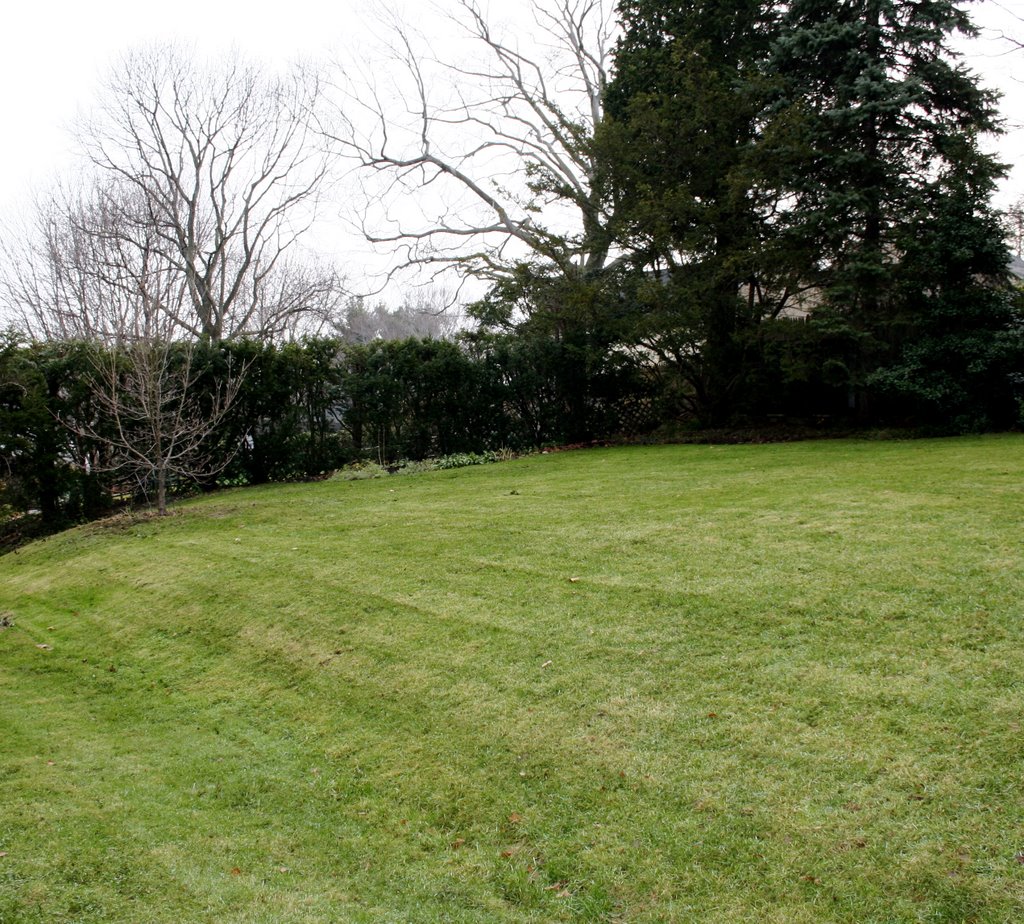
Over the weekend, we put the garden to sleep. Perennials were trimmed, herbs were transplanted, pots were washed and stored, compost was scattered over the flower beds and cow manure over the lilies of the valley, acid-loving bushes were fertilized with HollyTone, and the lawn was raked and mown.


Thanks to the blessing of mild weather and the harnessed energies of a teenage boy, both garden and gardener eased comfortably into the season's end.

Monday, November 20, 2006

Endings

With the shortening of days, overcast skies, and tumbling temperatures, fall gardening often receives short shrift. Who wants to be outside in that weather scrubbing pots, rolling up hoses, and raking rotten foliage? I do. Personally, I find that the physicality of these tasks steers me away from seasonal gloom. Not quite as pleasurable as ironing, perhaps, but putting the yard in order does bring deep satisfaction.

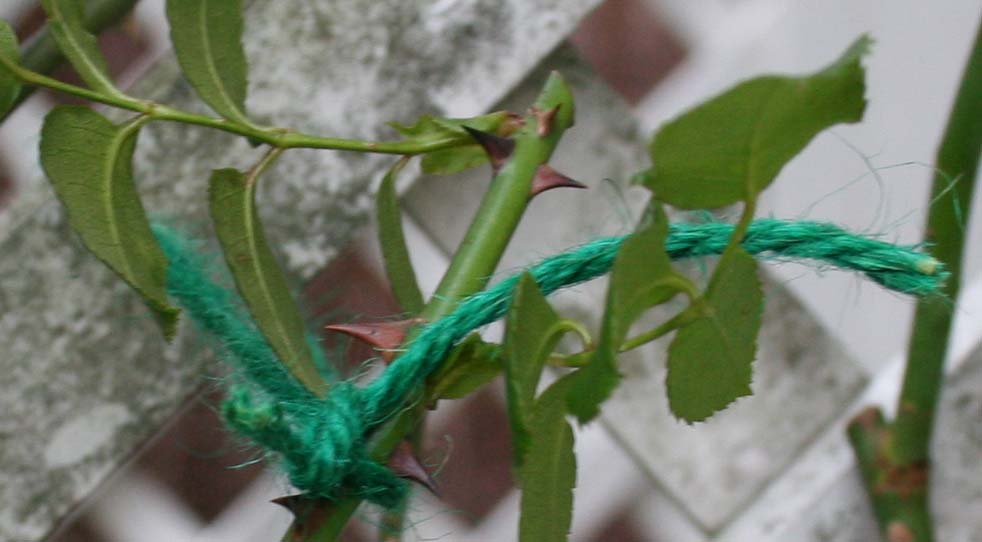
Among my activities this weekend was tying up wayward rose canes. On windy days, they have been flailing like attenuated green octopus tentacles. No suckers but watch out for thorns! Even though climbers bloom on last year's wood, I did have to prune back just in order to create canes with which I could work. The laterals also were trimmed back to a few inches. Then, movable canes were tied to the trellis.


Other tasks that were accomplished: raking leaves, clawing in bonemeal around the peonies, and cutting down dead foliage.

Putting a garden to bed is slightly melancholic task. It's all about life being over--or, more accurately, one moment in life being over. Even if you don't change a single plant between one year and the next, the garden itself will evolve: some plants will increase and other will fade away. Any garden is lived solely in the experienced moment . . . irretrievable, unrecreatable . . .


So maybe that's part of my pleasure in working in the garden in late November. That, and the tiny knotted promises for next spring.

Tuesday, November 07, 2006

Fall of the dahlias

On Friday night, a good frost blasted the succulent foliage and melted the crayon-bright colors of the blooms. So, it was time to intensify my somewhat wary relationship with the dahlias.


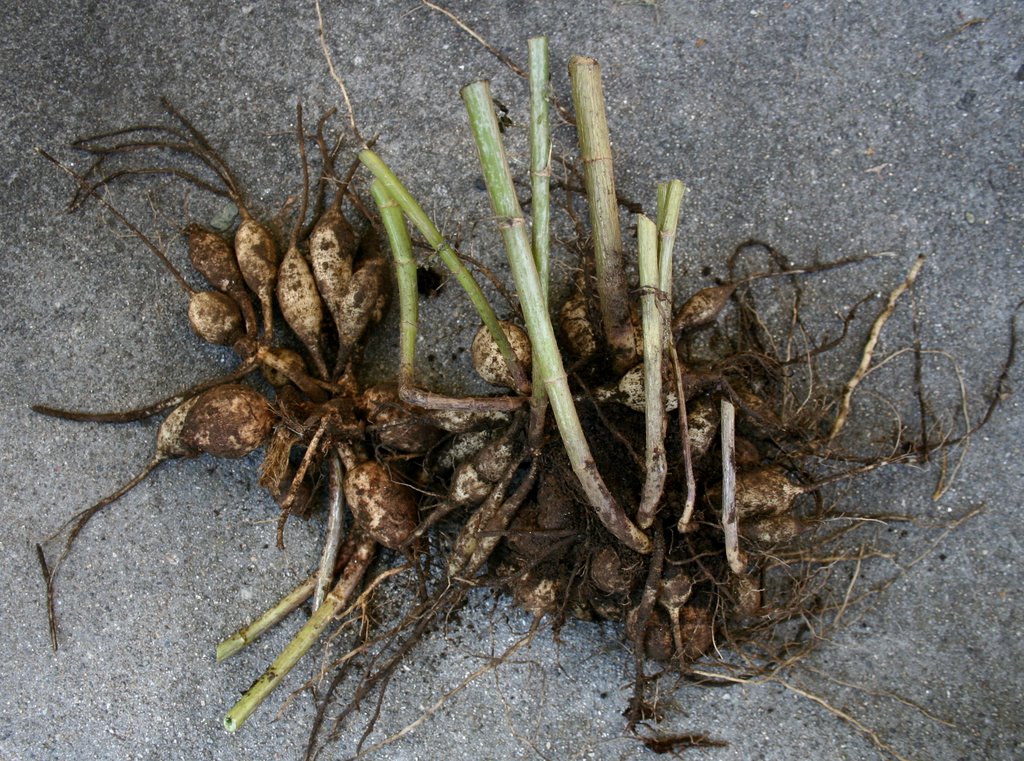
On Sunday, I used a garden fork to raise the lumps of tubers. What knots of incestuous plant life!


A rinse with the garden hose took care of most of the dirt covering the clumps. Everything that I'd read focussed attention on the dahlias' eyes: the plants should be lifted as the eyes are swelling (quite the x-ray vision trick for the novice dahlia gardener, as the eyes are underground), each viable cutting has to have a least one, and the plant stems must be trimmed off as close as possible to them.


In order to kill any clinging bacteria, I soaked the trimmed tubers in a mixture of one gallon of water and a third of a cup of bleach for 15-30 minutes. The darker tubers in the bowl will likely not bloom again. These "mother roots" were severed from their other family members and tossed into the trash. Tubers that I'd accidently skewered during digging or broken while handling were also discarded. No pity here.

Here's the final cull of pink and yellow tubers laid out to dry.


After drying the tubers for two days under a desk in my study, I packed them in bags of peat moss. They felt slightly spongy. Hope that's not the beginning of a rotten end! They are spending the winter in the attic where temperatures will hopefully hover at 32-50 degrees. Rather frighteningly, I read somewhere that dahlia growers lose about 10% of their over-wintering tubers.


But my father-in-law says to keep whatever I want! That's assuming that there are survivors come spring.

Sunday, October 29, 2006

Errr . . . excuse me . . . did you know it's fall?

The end of October, and the garden performs as if time was moving backwards towards winter through spring.

How else to explain these exuberant clusters of roses . . .


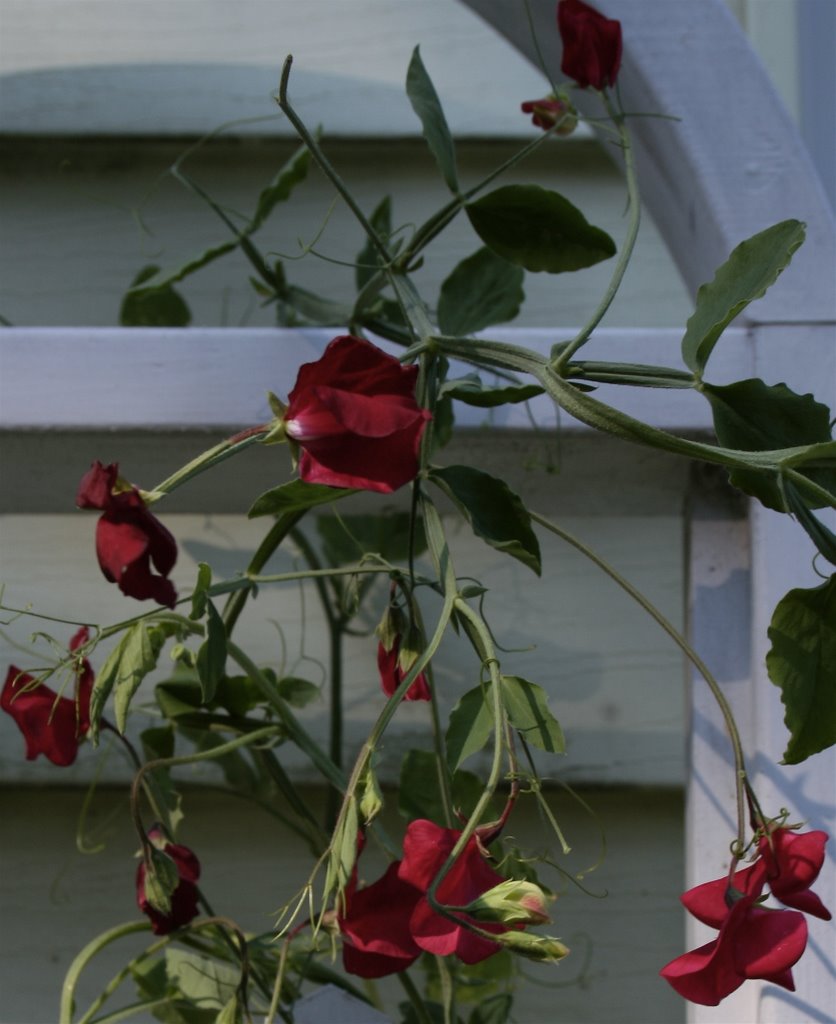
. . . the joyful labor of these sweet peas . . .
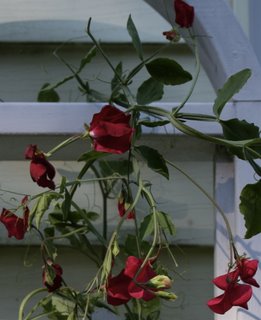


. . . or the stray blooms of sweet william, phlox, and ladybells?


Even next summer’s larkspur has set itself in!


We have not even had a killing frost yet. Sure, there are signs of the season: golf ball-sized dogwood fruits, fallen leaves, and autumnal winds.
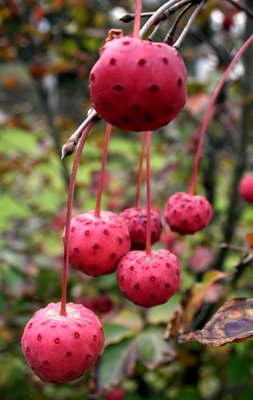


I generally believe in letting nature take its course. Plants, like people, should not be hastened to their inevitable ends but rather allowed to find their way at their own pace. Foliage, in time, ripens, turns color, and dies. Those brittle and brilliant yellow fronds of astilbe, amsonia, and hosta deserve to stand undisturbed. (Although, last weekend, my horticulturally cultured sister-in-law did give me a gentle lecture on the need for good garden hygiene--as she cleaned my columbines of leaf miner.)


So although DRS and I did do some clipping and cutting today, I’m waiting until next weekend . . . or maybe the one after . . . to face the season.

Monday, October 23, 2006

The minors

The front yard is a black hole for minor bulbs: again this year, I planted 200 yellow Iris danifordiae, 200 white Iris reticulata "Natascha," and 50 fuschia Allium ostrowskianum. Because of their small size, about eight bulbs slip into each hole. One hour later, it's off to the races!